01 / Disaster risk reduction
Reduce harm before a disaster happens.
Disaster mitigation begins with understanding what is exposed, how it could fail and who would be affected. We help teams explore solutions that reduce vulnerability, strengthen preparedness and support an effective response.
This includes seismic strengthening, flood protection, ground improvement, coastal preparedness, monitoring and emergency equipment. The question is more than whether a product performs: who will install it, maintain it, interpret its signals and act when it is needed?
In practice An earthquake retrofit needs evidence about the existing structure, a suitable strengthening method and a workable installation plan. A warning system needs a clear route from an alert to protective action.
02 / Resilience
Maintain essential functions and recover from disruption.
Resilience is the ability of people, businesses and systems to prepare for disruption, adapt and restore essential functions. It connects physical protection with everyday operations: reliable energy, usable buildings, food supply, water services and local response capacity.
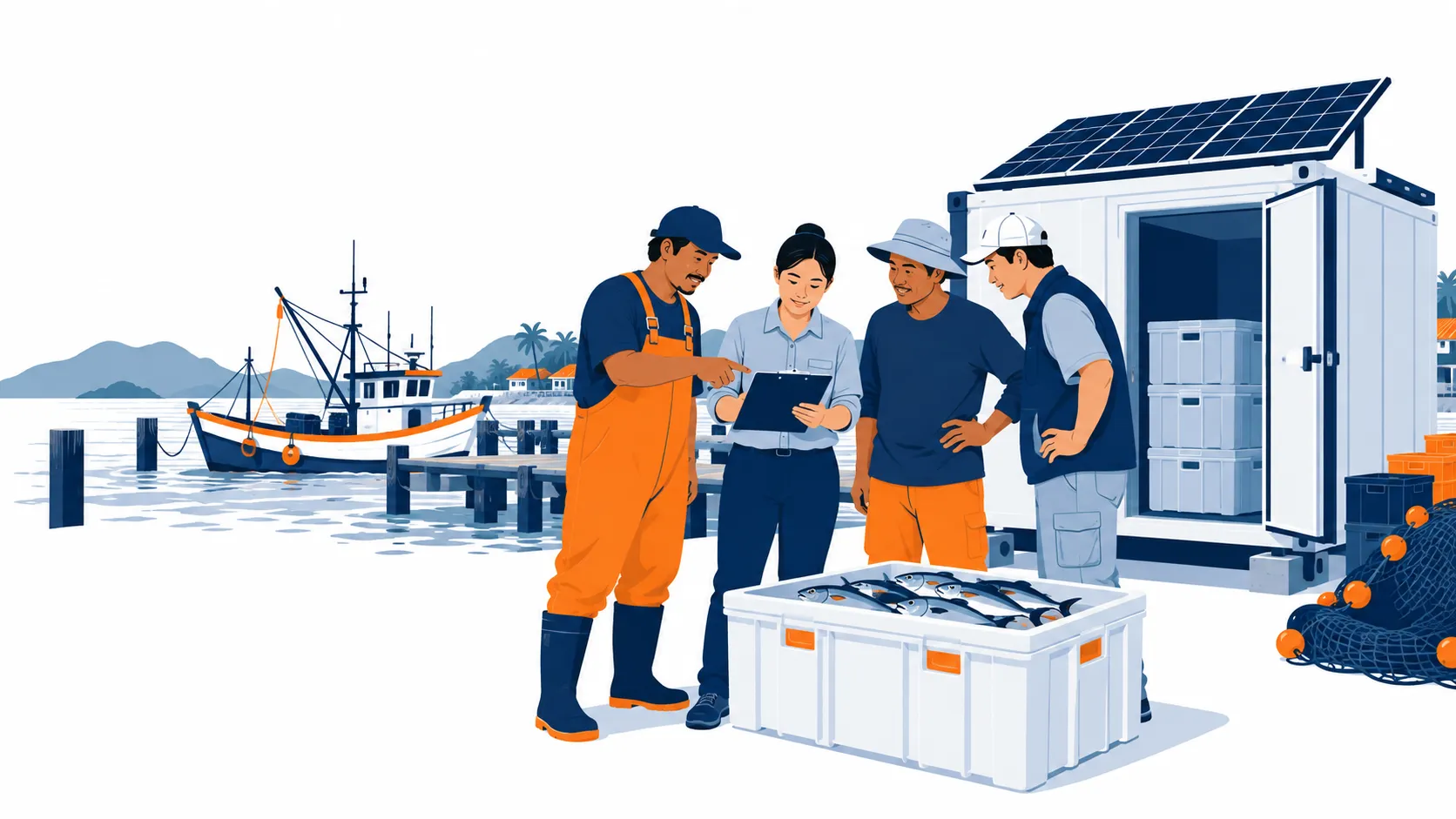
We examine the dependencies around a technology. A cold-storage facility, for example, depends on power, transport, trained operators, maintenance and a business model that covers its running costs. Strengthening one component is useful only if the wider service can continue.
In practice Solar power, batteries and thermal storage can be assessed together to protect a defined cooling requirement during interruptions. The right design starts with actual loads, acceptable downtime and local service capacity.
03 / Sustainability
Create value with less waste and lasting local benefit.
Sustainability means considering environmental impacts, resource use and the people who will live with a solution over its lifetime. Our focus includes energy efficiency, water reuse, circular systems, food-loss reduction and credible emissions-reduction projects.
Environmental benefits need an operating model that can last. We help teams examine who pays, who benefits, what skills are required and how equipment will be serviced. Affordability, producer income and local participation belong in the project design alongside technical performance.
In practice Extending a building’s useful life can be assessed against replacement. Better handling and cooling can protect the value of a catch. Water reuse can be evaluated against treatment needs, energy consumption and residual disposal.